Predatory Ethology: Foraging Dynamics, Prey Spectra, and Feeding Energetics
The ecological dominance of Coccinellids as beneficial predators is rooted in their specialized dietary adaptations. The vast majority of ladybug species—predominantly within the subfamilies Coccinellinae and Chilocorinae—are obligate carnivores specializing in soft-bodied, phytophagous hemipterans. Aphids (family Aphididae) constitute the primary prey for both larvae and adults of popular species such as Hippodamia convergens and Coccinella septempunctata. A single adult ladybug can devour between 50 and 65 aphids per day, while a developing fourth-instar larva can consume over 100 aphids daily, resulting in lifetime consumption numbers exceeding 5,000 individual pest insects.
Beyond aphids, ladybug predatory feeding extends to a wide array of destructive horticultural and agricultural pests. Their diet regularly includes spider mites (Tetranychidae), scale insects (Coccoidea), mealybugs (Pseudococcidae), whiteflies (Aleyrodidae), and the eggs or early larval stages of larger insects like the Colorado potato beetle and corn earworm. In times of low primary prey abundance, ladybugs display adaptive dietary plasticity, feeding on floral nectar, pollen grains, honeydew secretions, and fungal spores (particularly powdery mildew, which forms the exclusive diet of species in the tribe Halyziini). This supplementary nutritional intake provides vital carbohydrates and amino acids that sustain adult stamina until hemipteran populations rebound.
A common point of confusion among homeowners and gardeners concerns whether ladybugs consume structural materials, fabrics, or live garden foliage. Morphologically, beneficial ladybugs lack the mandibular cutting adaptations required to sever intact fibrous cellulose, wood, or textile fibers. Although a few specialized phytophagous species exist—most notably the Mexican bean beetle (Epilachna varivestis) and the squash beetle (Epilachna borealis)—common predatory ladybugs do not consume garden leaves, ornamental flowers, or strawberries. Minor surface nibbling on ripe fruit or flower petals observed during peak summer heat is almost universally driven by extreme thirst rather than herbivorous nutrition.
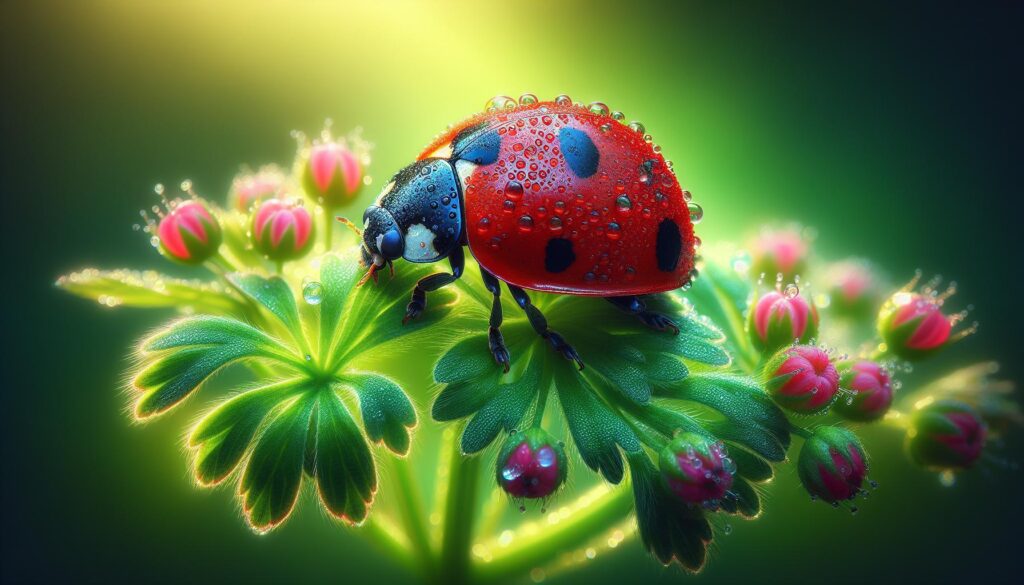
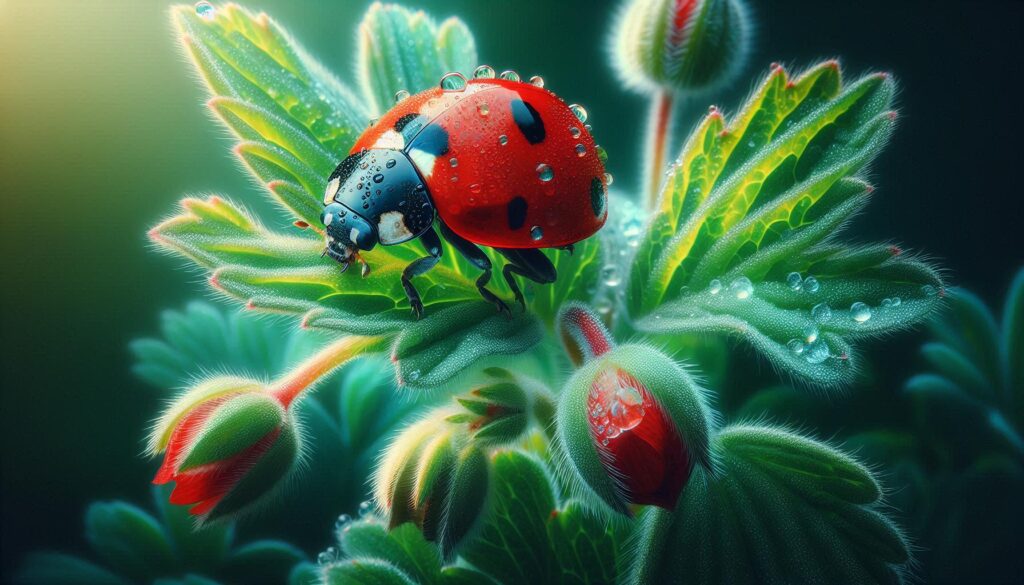
Water regulation and hydration dynamics are critical factors governing ladybug activity and survival rates. In natural settings, adult ladybugs meet their moisture needs through morning dew drops, moisture trapped within prey bodies, and droplets from garden irrigation. In captive care or biological release setups, dehydration represents the primary cause of premature mortality. Maintaining ambient humidity and providing access to damp sponges or misted foliage ensures normal metabolic functionality and encourages sustained egg oviposition.
Target Prey & Dietary Classification Matrix
| Target Organism / Substrate | Feeding Frequency & Preference | Agronomic / Domestic Impact |
|---|
| Aphids (Aphididae) | Primary staple (50-65 per day adult) | Rapid suppression of sap-sucking agricultural and garden infestations. |
| Spider Mites (Tetranychidae) | High preference (especially Stethorus spp.) | Prevents severe stippling and defoliation in greenhouse and outdoor crops. |
| Fungus Gnats & Thrips | Secondary opportunistic prey | Reduces root rot-associated larvae and foliage scarring in potted plants. |
| Flea & Tick Larvae | Opportunistic predation in soil/litter | Contributes natural ground-level suppression of dormant parasitic stages. |
| Floral Nectar & Pollen | Supplementary carbohydrate reserve | Enhances adult longevity and sustains populations during prey shortages. |
| Plant Foliage & Cellulose | Zero consumption (Physiological myth) | Predatory species do not consume foliage, timber, or domestic fabrics. |