The biological complexity of Cimex lectularius (bed bugs) is a testament to adaptive evolution, surviving for millennia alongside human populations through sophisticated hematophagous behavior. Understanding the molecular lifecycle, sensory mechanisms, and pheromone-driven aggregation of these insects is the first step toward effective mitigation and biological control.
The Entomological Biology hub explores the fundamental science of bed bug survival. Key attributes of this species include their incredible resistance to traditional pyrethroid insecticides, their cryptic behavior within host environments, and their ability to enter metabolic diapause during periods of host absence. The value of understanding pest biology is the ability to target treatments to specific life stages, ensuring that structural interventions account for the eggs’ chemical resilience and the nymphs’ rapid developmental cycles.
Metabolism, Reproduction, and Sensory Logic
Bed bugs operate through a suite of heat and CO2 sensors designed for host detection. We analyze the physiology of ‘Traumatic Insemination’ and the resulting genetic diversity that fuels rapid resistance within urban populations. Our guides focus on the science of blood-meal digestion and the resulting chemical signals that drive the insect back to its harborage. By mastering the biological blueprint of the pest, you can move from reactive spraying to a proactive, science-based Integrated Pest Management (IPM) strategy.
FAQ: Biological Insights
Do bed bugs carry diseases? While they are not known vectors for significant human disease, their bites can cause secondary infections, and their presence is a major source of physiological and psychological stress. Can they survive without a meal? Adult bed bugs have been documented in laboratory settings to survive for over a year without a blood meal at lower temperatures, making them one of the most resilient indoor pests.
Orange ladybugs, often mistaken for harmful pests, are not poisonous to humans. In fact, many species, like the Harmonia axyridis, secrete a foul-tasting chemical as a defense mechanism. While they may cause mild skin irritation, they pose no significant threat to health.
While rare, some individuals can experience allergic reactions to ladybugs, particularly the Asian lady beetle. Symptoms may include skin rashes, respiratory issues, and eye irritation. Avoidance and antihistamines are effective solutions for managing these reactions.
While ladybugs are often seen as harmless garden allies, some species can pose risks. Research indicates they may carry fungi or bacteria harmful to plants and humans. To stay safe, wash hands after handling them and avoid direct contact with your face.
Recent studies show that ladybugs are often drawn to lighter-colored homes, including white houses, due to warmth and reflective surfaces. These beetles seek shelter, especially in fall, making white houses a popular backdrop for their cozy retreats.
Ladybug larvae, often mistaken for pests, are elongated, brightly colored creatures typically ranging from black to orange with spiky projections. They undergo a vital transformation before becoming the familiar ladybugs, playing a crucial role in pest control.
Ladybugs, often seen as harmless garden allies, can spark concerns about danger. While they possess a defense mechanism that involves a bitter secretion, they pose minimal risk to humans and pets. Understanding these charming insects helps dispel common myths surrounding them.
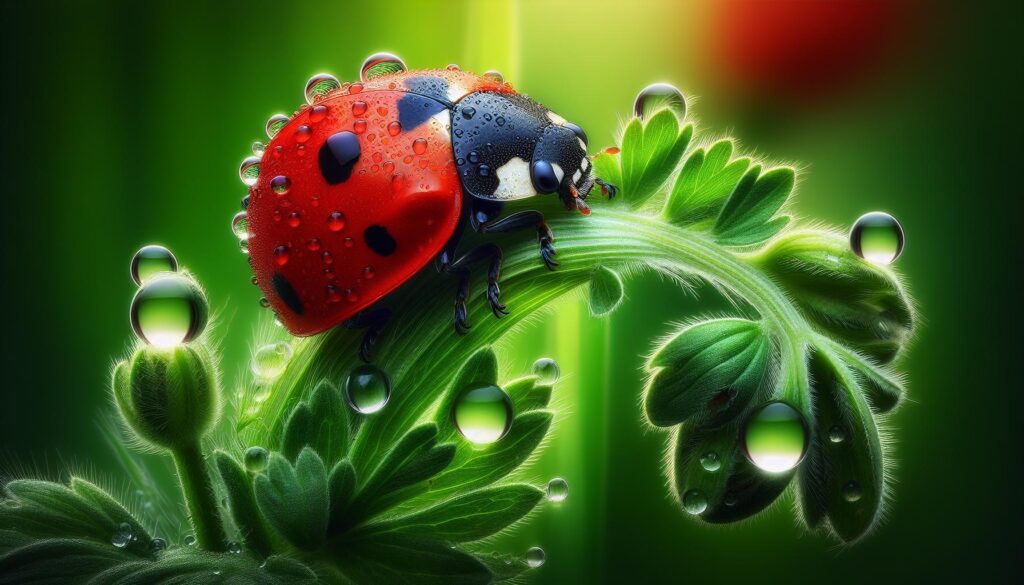
Ladybugs, often recognized for their vibrant red shells with black spots, actually display a stunning array of colors. Varieties exist in yellow, orange, and even black. This diversity, driven by genetics and environment, showcases nature's incredible palette.
Ladybugs, often called "ladybird beetles," are not true bugs in the scientific sense. True bugs belong to the order Hemiptera, while ladybugs are part of the Coccinellidae family in Coleoptera. Understanding these classifications clarifies common misconceptions.
Orange ladybugs, commonly known as the 22-spotted ladybug (Psyllobotus 22-punctatus), are fascinating insects easily identified by their vibrant color and distinctive spots. These beetles play a crucial role in pest control, feeding on aphids and other garden pests.
Ladybugs, often seen in gardens and fields, thrive in diverse habitats, including forests, grasslands, and wetlands. They prefer areas with abundant plant life, which provides food and shelter, making them vital for natural pest control.