The biological complexity of Cimex lectularius (bed bugs) is a testament to adaptive evolution, surviving for millennia alongside human populations through sophisticated hematophagous behavior. Understanding the molecular lifecycle, sensory mechanisms, and pheromone-driven aggregation of these insects is the first step toward effective mitigation and biological control.
The Entomological Biology hub explores the fundamental science of bed bug survival. Key attributes of this species include their incredible resistance to traditional pyrethroid insecticides, their cryptic behavior within host environments, and their ability to enter metabolic diapause during periods of host absence. The value of understanding pest biology is the ability to target treatments to specific life stages, ensuring that structural interventions account for the eggs’ chemical resilience and the nymphs’ rapid developmental cycles.
Metabolism, Reproduction, and Sensory Logic
Bed bugs operate through a suite of heat and CO2 sensors designed for host detection. We analyze the physiology of ‘Traumatic Insemination’ and the resulting genetic diversity that fuels rapid resistance within urban populations. Our guides focus on the science of blood-meal digestion and the resulting chemical signals that drive the insect back to its harborage. By mastering the biological blueprint of the pest, you can move from reactive spraying to a proactive, science-based Integrated Pest Management (IPM) strategy.
FAQ: Biological Insights
Do bed bugs carry diseases? While they are not known vectors for significant human disease, their bites can cause secondary infections, and their presence is a major source of physiological and psychological stress. Can they survive without a meal? Adult bed bugs have been documented in laboratory settings to survive for over a year without a blood meal at lower temperatures, making them one of the most resilient indoor pests.
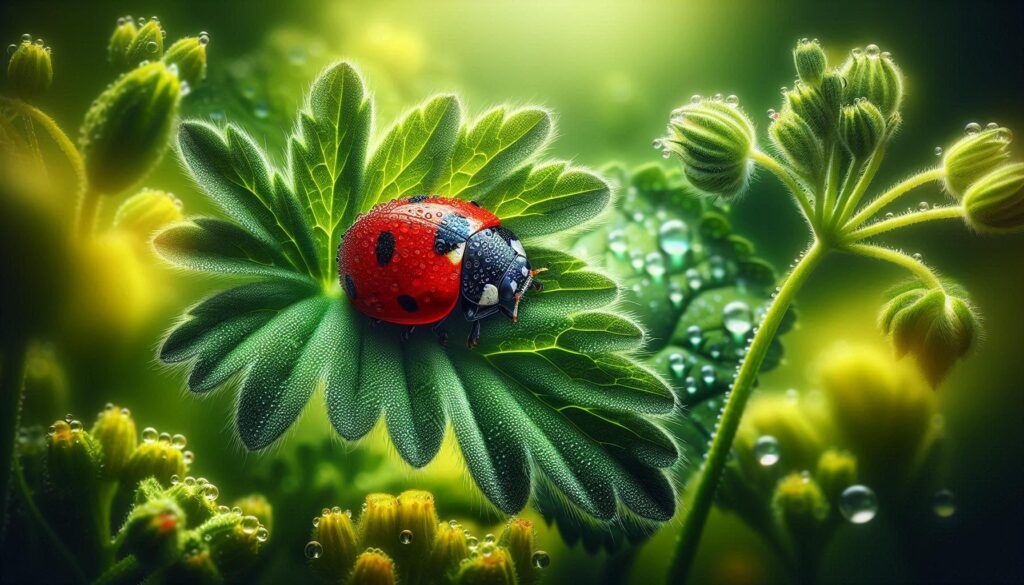
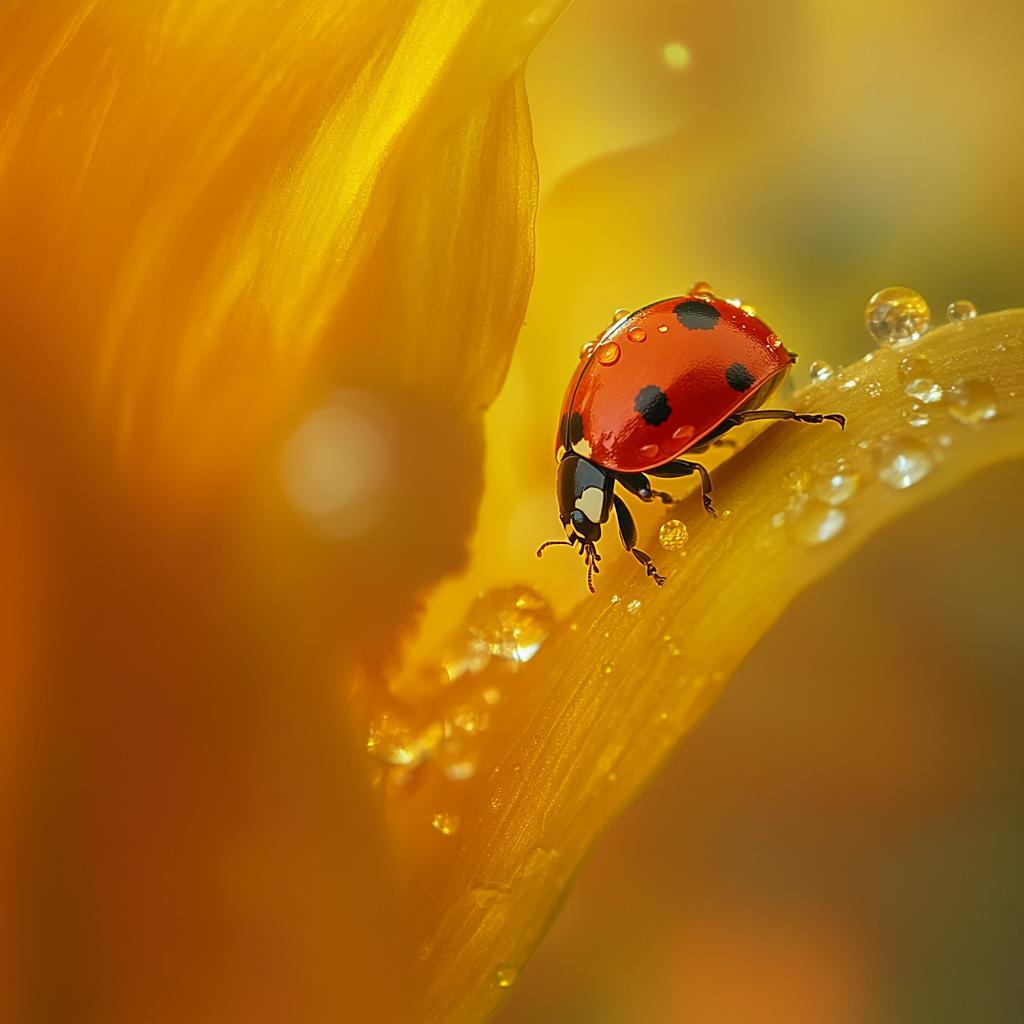
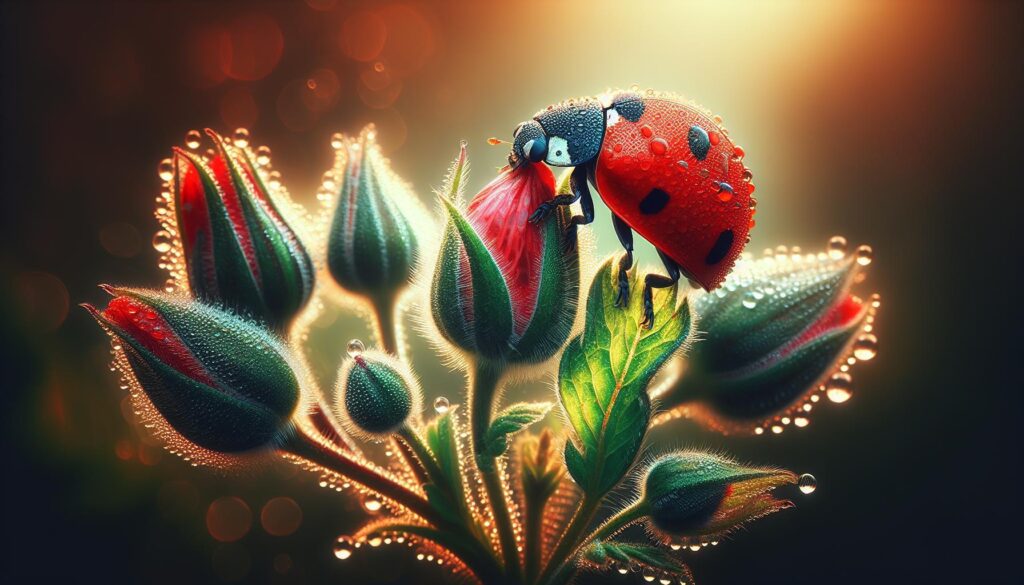
Ladybugs, often called ladybird beetles, play a crucial role in ecosystems as natural pest controllers. With over 5,000 species worldwide, these tiny heroes can consume thousands of aphids in their lifetime, showcasing their ecological importance.
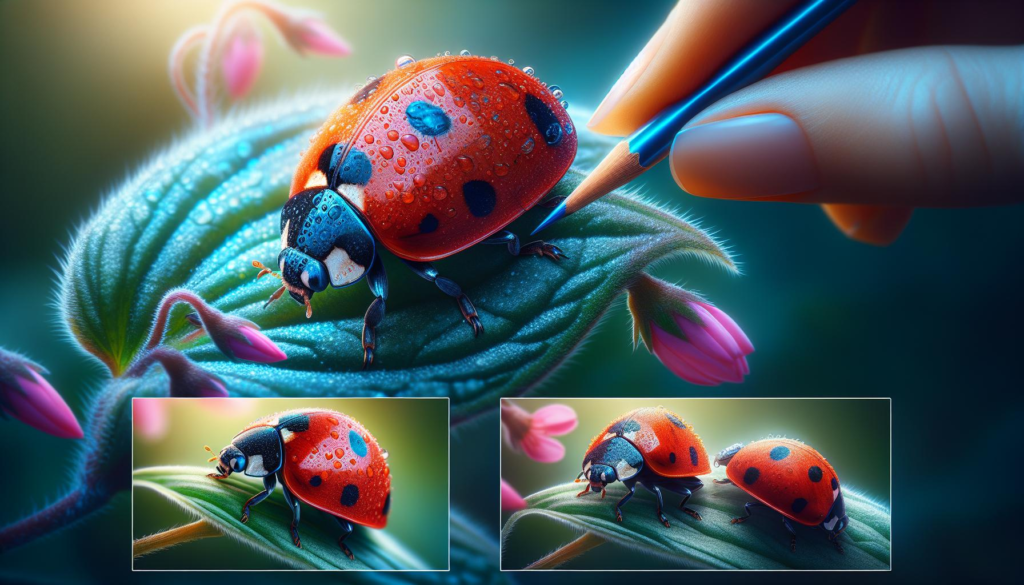
A ladybug without spots is known as an "aspidomorpha," a rare genetic variation. While most ladybugs are celebrated for their colorful patterns, these unspotted insects symbolize uniqueness in nature, reminding us of biodiversity's wonders.
In the fall, ladybugs swarm to find shelter as temperatures drop. They seek protection in groups, often settling in sunny spots of homes or trees. This behavior helps them conserve energy during hibernation, ensuring survival through winter's chill.
Ladybugs, or ladybird beetles, typically range from 0.8 to 18 mm in size, depending on the species. Their vibrant colors and distinctive spots aid in identification. Understanding their size variations helps in recognizing their role in ecosystems as effective pest controllers.
If a ladybug bites you, don’t panic! While their bites are rare and typically cause minor irritation, some individuals may experience allergic reactions. Clean the area with soap and water, and apply a cold compress if swelling occurs. For severe reactions, seek medical advice.
Ladybugs are highly beneficial for plants, acting as natural pest controllers. A single ladybug can consume up to 5,000 aphids in its lifetime, significantly reducing harmful insect populations and promoting healthier garden ecosystems.
Ladybugs, also known as ladybird beetles, have six legs, characteristic of all insects. These legs are adapted for walking and climbing, aiding their mobility as they forage for aphids and other pests. Understanding their anatomy highlights their role in ecosystems.
Ladybugs, commonly beloved for their vibrant colors, indeed have a fascinating biology. While they don’t "pee" like mammals, they excrete waste through specialized structures. This process aids in regulating moisture and eliminating excess salts, showcasing nature's efficiency.
When comparing tiny creatures like ants and ladybugs, size varies by species. Generally, ants range from 0.08 to 2 inches, while ladybugs measure about 0.08 to 0.59 inches. While some ants can be larger, common species often make ants appear smaller than ladybugs.
To attract lady bugs to your garden, create a favorable habitat by planting diverse flowers like calendula and dill, providing shelter in the form of leaves or wooden structures, and avoiding pesticides. These steps will encourage beneficial lady bug populations, enhancing your garden's health.